About our nursery
For many years, Poland has been the largest producer of currants in Europe. Our nursery specializes in producing high-quality fruit bush cuttings, offering varieties proven in Polish climate conditions.
Own transport
We deliver cuttings across Poland and abroad. We guarantee safe transport and professional packaging.
Our offer
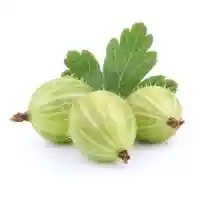
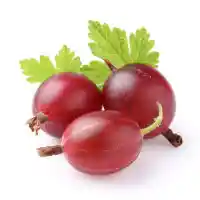
Gooseberry
Easy to grow, effective disease control, and great suitability for preserves and frozen products.
- Invicta - mildew resistant, green fruits
- Czerwony Triumf - spherical habit, large fruits
- Spinefree - vigorous growth, firm fruits
- Hinomaki Rot - red, early
- Hinomaki Gelb - yellow, dessert quality
- Biały Triumf - rare white variety
- Mucurines - yellow, resistant to mildew
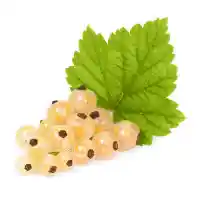
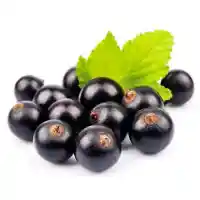
Currant
The bush grows very vigorously, upright habit. Clusters medium to long, single or growing in multiples.
Blackcurrant:
- Titania - strong growth, upright habit
- Ben Lemand - productive, resistant
- Ojebyn - Swedish variety
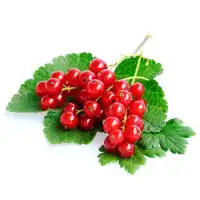
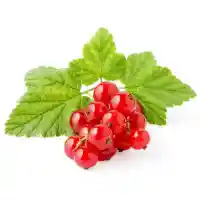
Redcurrant:
- Jonkheer van Tets - early variety
- Rondom J - Dutch variety
- Rosetta - dessert quality
- Holenderska Czerwona - universal
- Detwan - productive
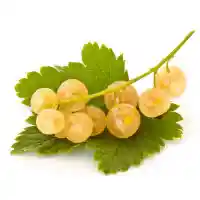
Whitecurrant:
- Blanka - medium-sized bush
- Biała z Jüteborg - traditional
- Blanca - modern
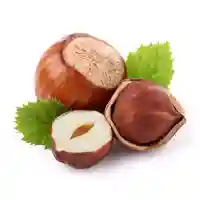
Hazelnut
High-quality hazelnuts. Varieties characteristic of Polish climate conditions.
- Olbrzymi Halle - large nuts
- Gubeński - productive
- Cenny Webba - English variety
- Lamberta Biały - ornamental
- Lamberta Czerwony - red leaf
- Corylus avellana - wild form
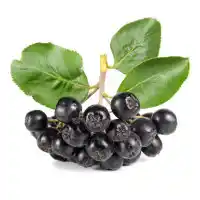
Aronia (Chokeberry)
Superfruit with exceptional health benefits. Perfect for juices, tinctures and preserves.
- Galicjanka - distinguished Polish variety
- Nero - large fruits
- Viking - Scandinavian variety
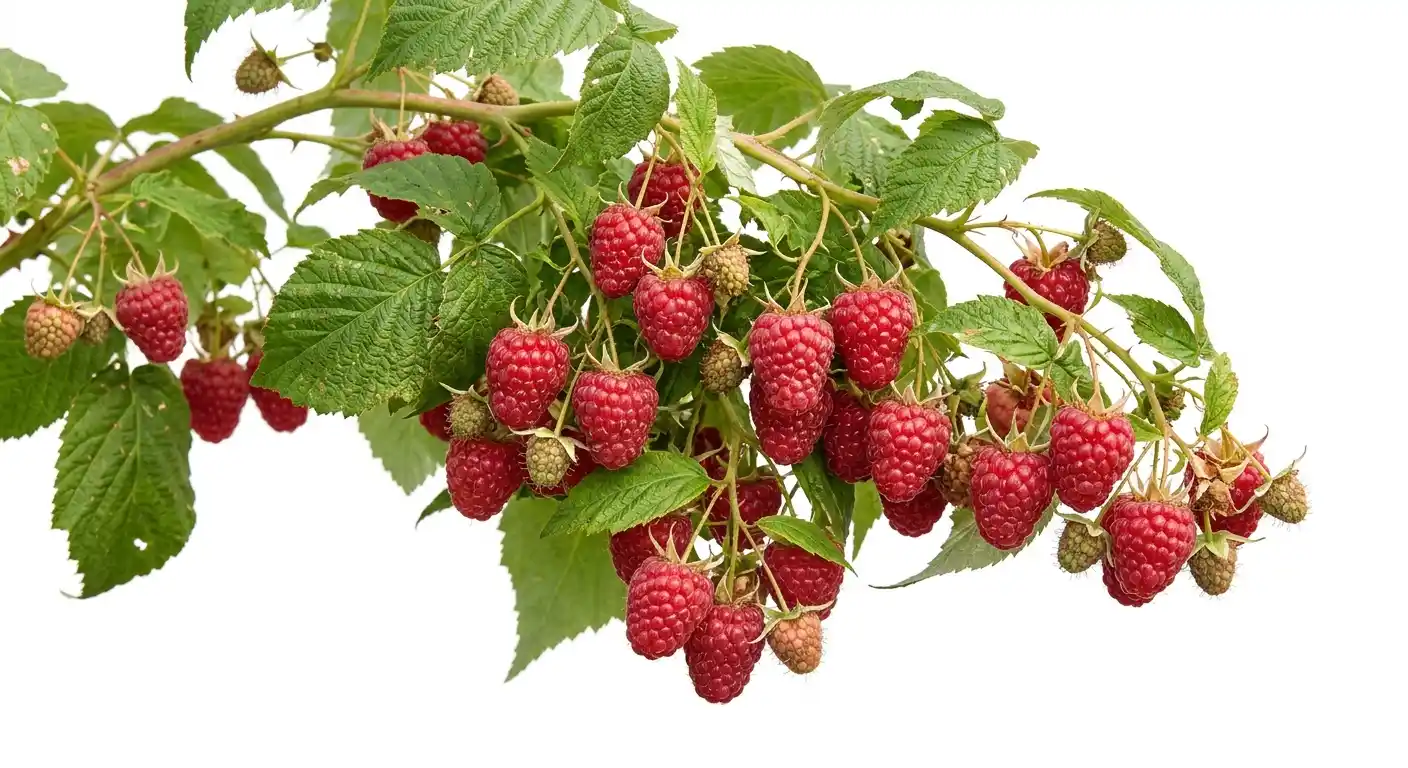
Raspberry
Selected dessert and industrial varieties.
- Veten - modern variety
- Polka - early
- Glen Ample - productive
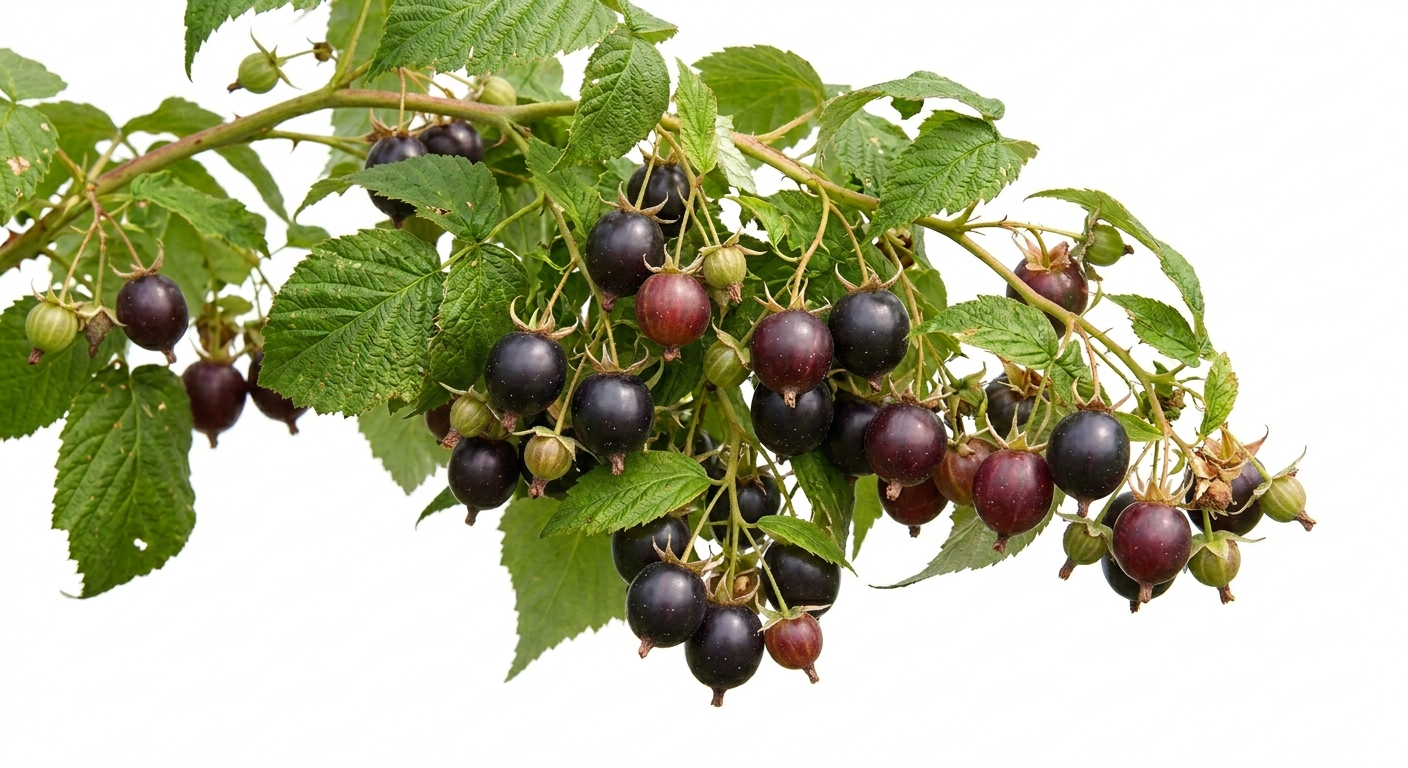
Jostaberry
A hybrid of blackcurrant and gooseberry. Combines the benefits of both species - undemanding, easy to grow.
- Jostaberry - popular variety
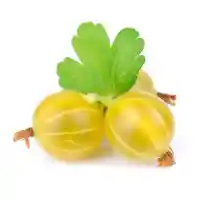
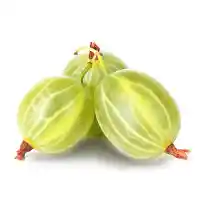
Gallery of our cuttings
Frequently Asked Questions (FAQ)
The best time is late autumn (October-November) or early spring (March-April) before vegetation starts. Bare-root cuttings are best planted in autumn when plants are dormant. Container-grown cuttings can be planted throughout the growing season, avoiding frost and heatwaves.
Recommended spacing:
- Blackcurrant: 1.2 m x 1.8 m
- Redcurrant & Whitecurrant: 1 m x 1.5 m
- Gooseberry: 1 m x 1.5 m
- Hazelnut: 3-4 m between bushes
- Aronia: 2-3 m between bushes
Fruit bushes prefer fertile, moderately moist soils with pH 6.0-7.0. Before planting:
- Dig holes 40x40x40 cm
- Mix soil with compost or manure (approx. 10 kg per bush)
- If soil is acidic (pH < 6.0), add lime (approx. 100-200g per bush)
- Remove weeds and stones
In the first season after planting, bushes require regular watering - especially during dry spells. Water once a week (approx. 10-15 liters per bush). It is important that water reaches deep root zones, not just the surface. Mulching (straw, bark, compost) helps retain moisture and reduces weeds.
Pruning is done in early spring (February-March) before vegetation starts or in late autumn:
- Blackcurrant: Remove branches older than 4-5 years, cutting them to the ground. Keep 8-12 young shoots.
- Redcurrant and Whitecurrant: Bushes fruit on two-year-old shoots - remove oldest branches.
- Gooseberry: Prune crossing branches and those growing into the center. Remove shoots older than 4 years.
Gooseberry is easily propagated by root suckers or greenwood cuttings:
- In spring, shorten one-year-old shoots by 1/3 of their length
- Plant them in shallow holes next to the mother plant or in a nursery bed
- Keep the substrate moist
- After rooting (approx. 2-3 months), transplant to the final location
The most resistant to American gooseberry mildew (Sphaerotheca mors-uvae) are:
- Invicta - high resistance, green fruits
- Mucurines - yellow, very productive
- Spinefree - thornless, resistant
Red varieties (Hinnonmaki Rot, Czerwony Triumf) are generally less resistant and require more protective treatments.
Yes, we have our own transport and deliver throughout Poland and abroad (EU). We pack cuttings professionally - roots are protected with moist substrate and foil, while the above-ground part is wrapped to prevent drying. We ship weekly in autumn and spring seasons. Minimum order is usually 10-20 pieces depending on species.
Glossary of terms
Basic terminology related to nursery production and fruit bush cultivation, useful when planning purchase and care of cuttings.
Variety (cultivar)
Group of plants with specific traitsCultivated varieties (e.g., Titania, Invicta) have been selected for: fruit size and taste, disease resistance, ripening time, harvest method. Varieties marked (ISK) come from the Institute of Horticulture in Skierniewice, Poland.
Powdery mildew
Fungal disease (Sphaerotheca mors-uvae)The most dangerous gooseberry disease, showing as white coating on leaves and fruit. Can cause leaf drop and fruit damage. Control: resistant varieties, fungicide treatments (sulfur, systemic products), good air circulation among bushes.
Ripening time
Period when fruit reaches maturityDivided into:
• Early (late June - early July) - e.g., Jonkheer van Tets
• Mid-early (mid-July) - e.g., Invicta
• Late (late July - August) - e.g., Spinefree
Bush habit
Shape and growth pattern of the plantBasic types:
• Upright - shoots grow vertically (e.g., Titania)
• Spreading - branches spread sideways (e.g., Invicta)
• Globose - compact, round shape (e.g., Czerwony Triumf)
Frost hardiness
Ability to survive low temperaturesAll currant and gooseberry varieties we offer are frost hardy in Polish climate conditions (hardiness zone 5-6). Young cuttings in their first winter should be covered with straw or agrofabric when temperatures drop below -20°C.
Root ball
Root system with surrounding soilCuttings may be sold:
• Bare-root (naked roots) - cheaper, require quick planting
• Balled & burlapped (with soil wrapped in fabric/foil)
• Container-grown (pot) - can be planted all season
Rootstock
Lower part of a grafted plantFor fruit trees, rootstock determines size and vigor (e.g., dwarfing, semi-dwarfing). For bushes (currant, gooseberry), rootstocks are used less often, mainly for standard (tree) forms grafted on a trunk.
Vegetation
Period of active plant growthBegins in spring with bud break, ends in autumn with leaf fall. During this time the plant absorbs water and nutrients, grows and fruits. Winter dormancy is the period from November to March when metabolic processes are minimized.
Berry
Fruit of currant, gooseberry, aroniaBotanically these are drupelets (not berries in strict sense), but in horticulture and cooking they are called berries. They are characterized by high vitamin C content (especially blackcurrant), anthocyanins (aronia) and organic acids.
Contact
FRUIT TREE AND BUSH NURSERY
ROBERT BIAŁAS
26-300 Opoczno
Brzustówek 10
POLAND - ŁÓDZKIE Voivodeship